“Our women are capable of doing everything, just like women around the world, but giving them the opportunity really matters.”: Voices of Rohingya Women
The Rohingya refugee camps in Bangladesh are home to hundreds of thousands of people who have fled persecution, and within these camps, women face a unique and compounded set of challenges. Recent interviews conducted by RWPJ facilitators reveal the intertwined crises of limited education and livelihood opportunities, painting a stark picture of the hardships endured by these women.
The Weight of Educational Disparity
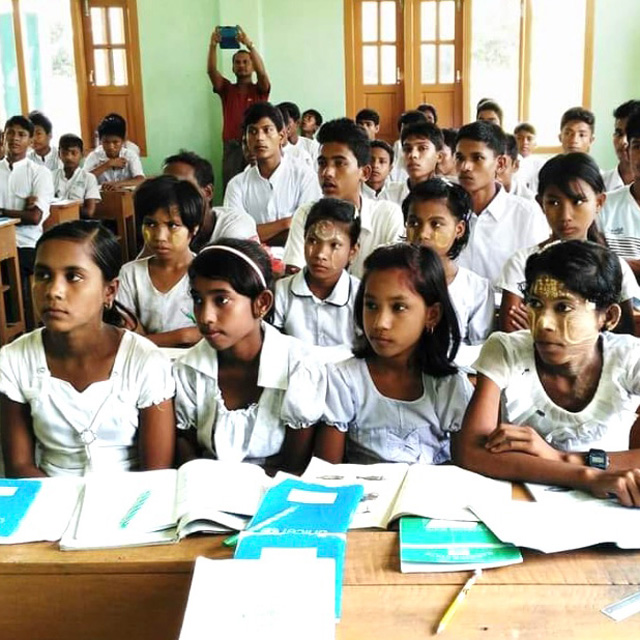
One interviewee highlighted the profound impact of the lack of education: “Due to the lack of education among our women, they are unaware of what is happening in the world, cannot express their feelings, are unable to support their children’s learning, cannot participate in decision-making, and are unable to read important family documents.” This severe disadvantage limits women’s ability to navigate their daily lives and advocate for themselves and their families.
The consequences of this lack of education are far-reaching. “All these issues impact society, increase child marriages, and the consequences are truly devastating.” The denial of education not only restricts individual potential but also contributes to harmful social norms and practices.
Livelihoods: A Crucial Lifeline Denied
The interviews also underscore the critical need for livelihood opportunities. “Our people face various challenges in their everyday lives,” one woman explained. “Both the women and men have no source of income. We are entirely dependent on humanitarian aid, and even that is very limited.”
This lack of economic opportunity has a severe impact on women’s well-being. “Without any livelihood opportunities to earn money, women feel weak and depressed. “They cannot fulfill their children’s needs.” The inability to provide for their families leads to stress, worry, and conflict within the camps.
As another woman described, life in Myanmar offered a contrast: “If I talk about our lives back in Myanmar, our women had better conditions than here in the camps. Our male family members had their own livelihoods and income sources, so they were able to support the family, meet the children’s needs, and keep the women safe. But life in the camp is completely different.”
Hope and Potential
Despite these immense challenges, the interviews also reveal the resilience and potential of Rohingya women. Rohingya women emphasized, “Our women are capable of doing everything, just like women around the world, but giving them the opportunity really matters.”
They continued: “If our women are given the chance to learn new skills, especially those related to the internet and technology, they can contribute to society in many ways. Although they are not given proper educational opportunities, our women can still do many things living at home. They can do embroidery, sewing, and micro-gardening on their rooftops, etc. These activities give them a purpose and allow them to earn a little to support their children and meet their families’ needs.”
The opportunity to learn and work is seen as a vital pathway to improving their lives and mental health. “I would feel very happy if I get the opportunity to learn and work,” one woman stated. “Right now, it’s really difficult to pass the time doing nothing. It causes us to worry constantly. Without any source of income, our suffering is increasing, and it is having a serious effect on our mental health.”
RWPJ’s Call to Action
Refugee Women for Peace and Justice recognizes the urgent need to address these interconnected challenges. By providing education, skills development, and advocating for livelihood opportunities, RWPJ empowers Rohingya women to build a better future.
How You Can Help
The struggles of refugee women highlight the urgent need for increased support, improved security, and expanded educational and employment opportunities. Refugee Women for Peace and Justice continues to advocate for their rights and work toward sustainable solutions.
- Donate to Refugee Women for Peace and Justice to support women in need.
- Raise awareness about the struggles of refugee women and advocate for their rights.
- Support policies that prioritize gender equality and refugee protection.
Together, we can create a future where refugee women feel safe, empowered, and have the opportunities they deserve.