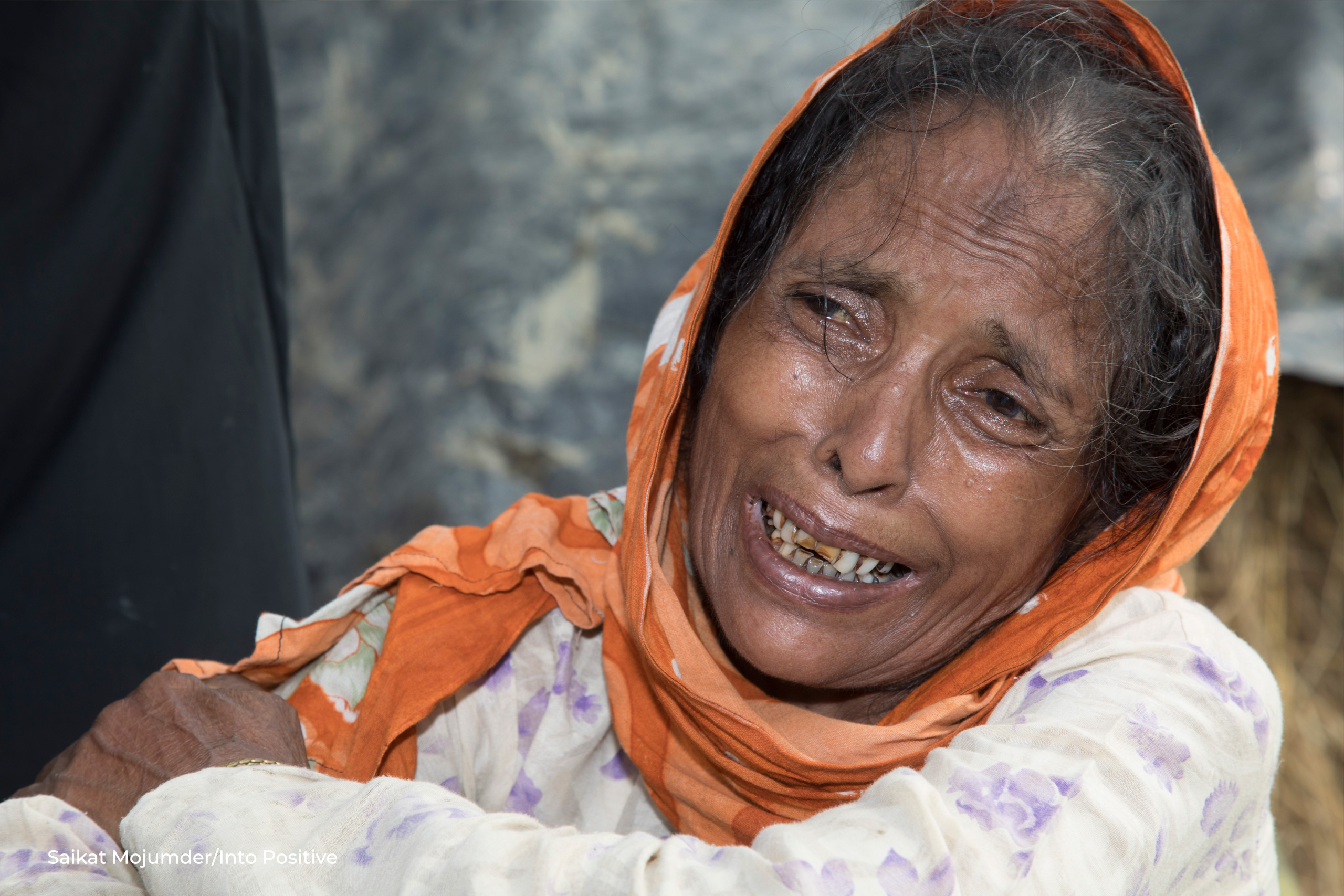
In the crowded Rohingya refugee camps of Bangladesh, women and girls face an alarming rise in forced marriages and human trafficking, driven by insecurity and poverty. A participant in a women’s empowerment session at Refugee Women for Peace and Justice shares her experiences.
The situation for Rohingya women in the refugee camps of Cox’s Bazar continues to worsen. Over 900,000 Rohingya refugees live in the camps after fleeing persecution in Myanmar, and women and girls are among the most vulnerable. The escalating civil war in Rakhine state in Myanmar and resurgence of armed groups in the refugee camps in Bangladesh have increased gender-based violence. Both women and men – in particular, the younger generation – are severely affected and largely unprotected. Forced marriages, often disguised as protective measures, are increasing due to widespread poverty, lack of education, and unsafe living conditions.
As Jisma, a Rohingya woman living in the camps explains, “We are not receiving the proper services we need as women in the camp, and our shelters are not strong enough to maintain our privacy. Forced marriage has become a common issue here because abductors take young girls away from shelters. To prevent this, some parents try to arrange marriages for their daughters as soon as they find a suitable partner, even if the girls are very young.”
Lacking any income, families struggle to afford dowries, pushing many young women to take dangerous journeys by boat to Malaysia or Indonesia in search of a partner and a better future. But this desperate attempt often ends in tragedy.
“When women get into these boats, some die in the water, while others face harassment and abuse from traffickers. Even if they manage to reach their destination, they are often betrayed by the men who initially promised to marry them. After enduring an exhausting and dangerous journey, their appearance changes, and the men reject them for not looking the same as before. Most women suffer from such violence, and there is no security for us.”
Refugee Women for Peace and Justice
Refugee Women for Peace and Justice (RWPJ) is working to change this. RWPJ works to prepare Rohingya refugees for a future in their homeland—and beyond—through education, employment, livelihood training, and advocacy. RWPJ works on refugee and human rights, providing basic education, training sessions for women and girls, livelihood programs, and advocacy for the rights of refugees. Working in Bangladesh’s Cox’s Bazar refugee camp, RWPJ with plans to expand to Malaysia, Thailand, and Indonesia so they can serve Rohingya women wherever they are and build a powerful future together.
How You Can Help
For Rohingya women like Jisma, the struggle for safety and dignity continues. Without comprehensive and coordinated action, the cycle of violence and displacement will persist. Your support can make a difference. Join us in advocating for stronger protections and sustainable solutions for Rohingya women.
- Donate to Refugee Women for Peace and Justice so we can continue our work with women like Jisma.
- Spread awareness about our work and Rohingya women.
- Support policies that prioritize refugee rights and gender equality.
Together, we can help break the cycle of violence and give Rohingya women the security and dignity they deserve.